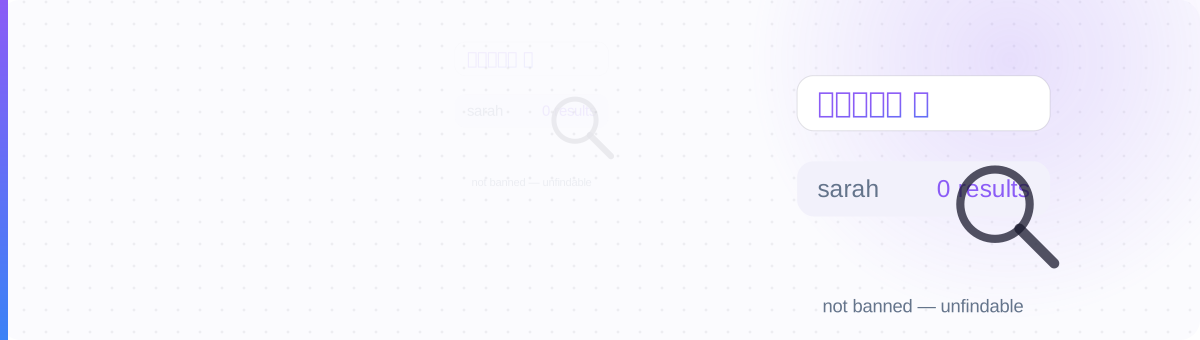
Fonts Are Not on the Shadowban List. They Never Were.
The story always goes the same way: you redesign your bio with a cursive name and a few sparkle dividers, and two weeks later your reach falls off a cliff. A friend says the word shadowban, you search it, and half the internet seems to agree the "weird fonts" did it.
Here's the inconvenient, boring truth: every serious shadowban explainer lists the same causes, and fonts aren't one of them. Banned or flagged hashtags. Spammy automation and bot-like behavior. Content that gets reported. Links Instagram doesn't trust. Violations of Recommendation Guidelines. That's the list, over and over, from marketing platforms that have studied thousands of accounts. Styled Unicode characters appear on none of them.
That makes sense once you know what a "fancy font" actually is. As our Unicode fonts explainer covers, generated fonts aren't fonts at all: 𝗕𝗼𝗹𝗱 and 𝓒𝓾𝓻𝓼𝓲𝓿𝓮 are ordinary, standards-compliant Unicode characters, the same ones used in math papers and half the bios on the platform. Instagram accepts them in the bio field by design. A ranking system that punished valid characters in a bio would be punishing millions of ordinary accounts, including verified ones. It doesn't.
So no, you are not being algorithmically punished for your aesthetic. But before you relax: the fonts are costing you something. Just not what you think.
You Restyled Your Bio AND Reach Dropped. "And" Is Not "Because."
Fonts don't cause shadowbans, yet everyone knows someone it "happened to". The myth is powered by one of the oldest bugs in human reasoning, post hoc, ergo propter hoc: it happened after, so it must have happened because.
Think about when people restyle a bio. Almost never in isolation. A bio redesign usually rides along with a bigger shake-up: a new posting schedule, a fresh batch of hashtags, a pivot in content style, maybe a follow-for-follow sprint to relaunch the account. Any one of those can move reach, and reach on Instagram fluctuates noticeably week to week even when you change nothing.
When the dip arrives, your brain hunts for the most visible recent change. The new 𝓯𝓵𝓸𝓻𝓪𝓵 name is right there at the top of your profile, looking suspicious. The forty other variables are invisible. The font gets convicted on eyewitness vibes.
The myth also survives because it's comforting. "The algorithm hates my font" is fixable in ten seconds. "My last six posts didn't land" is not. Blaming the font lets you skip the harder audit, which is exactly why the panic is worth resisting.
What Actually Causes Reach Suppression
Honesty cuts both ways: shadowban-like behavior is real, even if Instagram avoids the word. If your non-follower reach genuinely collapsed, look here, because these are the causes that show up in every credible breakdown:
- Banned or flagged hashtags. Perfectly innocent-looking tags get restricted after spam waves. One bad tag in a copy-paste block can drag a post out of tag surfaces.
- Bot-like behavior. Mass follow/unfollow, automated comments, engagement pods, aggressive DM outreach: the classic spam signals.
- Reported or borderline content. Repeated reports, or content that skirts Recommendation Guidelines, quietly removes you from Explore and Reels suggestions.
- Untrusted links. Link-in-bio destinations associated with spam or scams.
- Recycled, watermarked, or engagement-bait content that the ranking systems downgrade in recommendations.
Notice the pattern: every item is about behavior and content, things you do, not about which codepoints sit in your name field. Instagram's systems score what you post and how you act, not your typography.
The Real-Cost vs Myth Ledger
Here's the accounting the shadowban panic distracts you from. Put every fear about fancy fonts into one of two columns: the Myth column (algorithmic punishments nobody has ever substantiated) and the Real-Cost column (quiet, verifiable losses you can reproduce yourself, today, on your own phone). The myths are scary and false. The real costs are boring and true, and they compound silently.
| Claim | Ledger column | The reality | What to do |
|---|---|---|---|
| "Fonts trigger an algorithmic penalty" | ❌ Myth | Unsupported. No shadowban breakdown lists styled characters as a cause; bios accept them by design. | Stop worrying about this one. |
| "Symbols suppress my post reach" | ❌ Myth | Unsupported. Reach is scored on content and behavior, not bio codepoints. | Audit hashtags and posting behavior instead. |
| "A styled hashtag gets you hashtag-banned" | ❌ Myth | Not a ban, but a styled hashtag is a different string, so it lands in an empty tag pool. Wasted, not punished. | Keep hashtags 100% plain. |
| Search invisibility | 💸 Real cost | Search matches typed characters. 𝒥𝑒𝓈𝓈 ≠ Jess, so a styled name field often can't be found by typing the plain name. | Keep the name field plain; style the bio body. |
| Accessibility breakage | 💸 Real cost | Screen readers spell styled text out character-by-character or skip it. See the accessibility guide. | Never style load-bearing words. |
| Tofu boxes on other devices | 💸 Real cost | Rare glyphs render as □□□ on older Androids. See why fonts show as boxes. | Use safe styles; test on a second device. |
| Spam perception by humans | 💸 Real cost | A bio wall of 🅂🅈🄼🄱🄾🄻🅂 and sparkles reads as spammy to people, who then don't follow, or report. Human judgment, not algorithm. | Style one or two elements, not everything. |
Read the ledger closely and the punchline emerges: the myth column costs you nothing, and the real-cost column can cost you more than a shadowban would, because a shadowban ends, while an unsearchable name loses you followers every single day, silently, with no notification and no recovery timeline.
The Styled-Name Search Test
Don't take the ledger on faith. Run the two-minute experiment. Instagram search matches what people type. Nobody types 𝔸𝕧𝕒 when they're looking for Ava; they type the plain letters. If your name field is styled, the characters they type and the characters you stored may simply never match.
The protocol: log into a second account (or borrow a friend's phone) and search your plain name and the plain words in your name field. If your profile doesn't surface, you have your diagnosis, and it isn't a shadowban. You're not being hidden by the algorithm; you're failing a string match.
The fix keeps the aesthetic and the findability, because the two fields play different roles:
Plain, keyword-rich name field for the search index; styled flourishes in the bio body for the humans who already found you. That's the whole trade.
How to Check Whether You're Actually Shadowbanned
Maybe your reach really did fall off a cliff. Before blaming typography, or anything else, run the checks in order:
- 1. Account Status. Instagram now tells you directly: Settings → Account Status shows if your content has been marked ineligible for recommendation. This is the closest thing to an official shadowban indicator that exists.
- 2. Follower vs non-follower reach. Open your insights. If followers still see posts but non-follower reach collapsed, you've lost recommendation surfaces (Explore, Reels, hashtags), the classic pattern.
- 3. The hashtag check. Post with a moderately sized hashtag, then have a non-follower browse that tag's recent posts. If they are absent, your posts aren't surfacing in tags.
- 4. The behavior audit. Review the last month for real triggers: copy-pasted hashtag blocks (check each tag), third-party automation tools, engagement pods, follow/unfollow sprints, reported posts.
Notice what's not on the checklist: your bio font. If steps 1–3 come back clean, you were never shadowbanned. You hit ordinary reach variance, and the restyled bio was an innocent bystander.
When NOT to Style: the Real Restraint List
Busting the shadowban myth is not a license to style everything. The real-cost column of the ledger draws sharp boundaries, and they're worth respecting:
- The name field. This is search real estate, full stop. It's one of the few fields Instagram's search actually indexes for discovery. Keep it plain and keyword-rich; spend your style budget in the bio body instead.
- Hashtags. A styled hashtag isn't risky. It's useless. Different characters, different tag, empty room.
- Anything load-bearing. Your offer, your link caption, your city, your CTA. If a screen reader can't say it and an older Android can't draw it, it shouldn't carry meaning alone.
- Whole paragraphs. One styled line is a highlight; five is a wall. Humans, not algorithms, read dense symbol-soup as spam, and humans are the ones deciding whether to follow you.
Where styling does earn its keep: a single accent line in the bio, section dividers, a styled word or two that signals personality. Pair it with clean structure: our guide to Instagram bio line breaks covers the layout half of a bio that looks designed instead of decorated. And if you're styling for a broad audience, stick to widely supported styles like 𝗯𝗼𝗹𝗱 and ꜱᴍᴀʟʟ ᴄᴀᴘꜱ rather than exotic decoratives.
The search index, the screen reader, and the person squinting at boxes did.
You weren't punished. You were unfindable. That costs more.
Style the bio, keep the name findable →
Generate Instagram-ready styled text in device-safe styles, paste it into the bio body, and leave the name field plain so search can still deliver you followers.
Open the Instagram Font Generator →