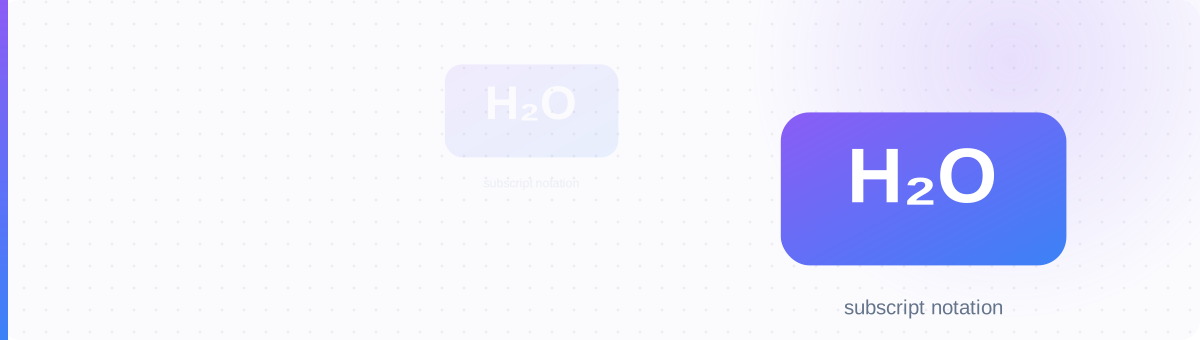
Where subscript text actually gets used
Subscript is functional, not decorative: most people reach for it to write something specific, not to style a bio. The three most common jobs:
- Chemistry formulas: H₂O, CO₂, C₆H₁₂O₆. Chat apps, Discord, and most forums don't support a real subscript button, so Unicode is the only way to get the numbers to sit low.
- Footnote-style indices: a₁, xₙ, variable subscripts in math and physics notation shared as plain text.
- Scientific and technical notation: anywhere a proper subscript would normally require LaTeX or a word processor's formatting toolbar.
An honest note on letter coverage
Not every letter has a true subscript form. Unicode only defines dedicated subscript letters for a, e, h, i, j, k, l, m, n, o, p, r, s, t, u, v, x (plus a beta-shaped stand-in commonly used for b). The letters c, d, f, g, q, w, y, and z have no subscript form in the Unicode standard at all — every subscript generator, this one included, falls back to their normal size for those letters. All ten digits (0–9) do have full subscript support, which is why chemistry formulas like H₂O and CO₂ always render correctly.
Subscript vs. superscript: which should you use?
- Subscript (this page): sits below the baseline. Use it for chemistry formulas and footnote-style indices.
- Superscript: floats above the baseline. Use it for exponents (x²), ordinals (1st), and trademark marks.
- Small caps: sits on the baseline with the best letter coverage of any small style. Use it for headings, labels, and bios.
Subscript Text Guide
A subscript generator converts normal letters and numbers into small Unicode characters that sit below the baseline, like the 2 in H₂O. Because it's real Unicode, not HTML markup, the result pastes correctly anywhere plain text is accepted.
Yes. Subscript digits (₀-₉) have full Unicode support, so chemical formulas like H₂O, CO₂, and C₆H₁₂O₆ paste correctly into chat apps, documents, and social posts that don't support HTML subscript tags.
Unicode only defines subscript letterforms for a, e, h, i, j, k, l, m, n, o, p, r, s, t, u, v, x, plus a beta-shaped stand-in for b. Letters c, d, f, g, q, w, y, and z have no true subscript form in Unicode, so they fall back to normal size, a gap in Unicode itself, not a limitation of this tool.
Anywhere that accepts plain Unicode text: Discord, Instagram, TikTok, X, WhatsApp, Google Docs comments, Notion, and most chemistry or math forums where the editor doesn't offer a real subscript button.
Subscript sits below the baseline and is the standard for chemistry formulas (H₂O) and footnote-style indices. Superscript floats above the baseline and is used for exponents (x²), ordinals (1st), and trademark marks. If you're writing a chemical formula, use subscript; if you're writing an exponent, use superscript.